
Delve Deeper into the Art of Coffee: A Comprehensive Education
Embark on a journey of discovery as we unveil the intricate processes and fascinating world behind your favorite cup of coffee. At our Coffee Education Center, we invite you to delve deeper into the art and science of coffee processing and exportation. Whether you’re a curious coffee enthusiast or a budding industry professional, this comprehensive resource is designed to expand your knowledge and appreciation of the beloved bean.
Understanding Coffee Processing Techniques
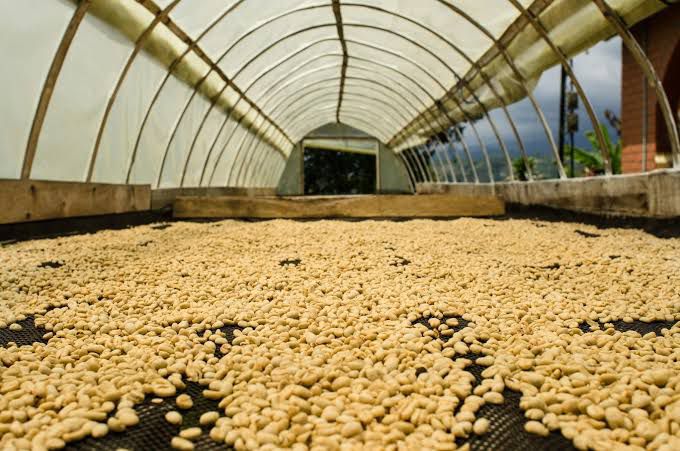
Wet Processing: Also known as washed processing, this is a method that involves removing the outer layers of the coffee cherry before the beans are dried. The process begins with pulping, where the outer skin of the cherry is mechanically removed, leaving behind the mucilage-covered parchment layer and the enclosed coffee bean. The beans are then fermented in water for a specified period, typically 12 to 48 hours, to break down the mucilage and enhance flavor development. After fermentation, the beans are thoroughly washed and then dried either in the sun or using mechanical dryers until they reach the optimal moisture content.
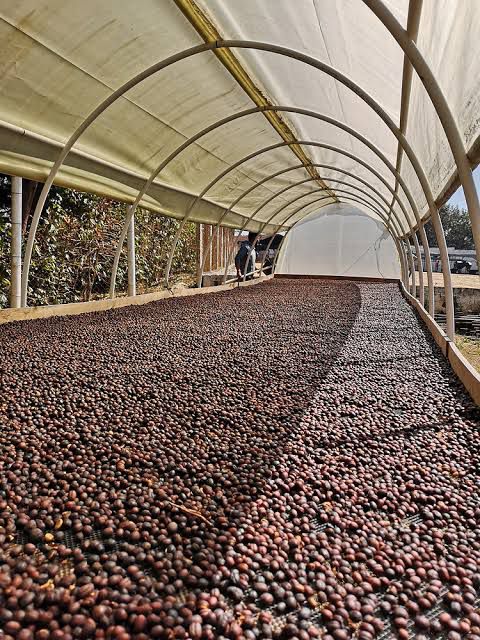
Dry Processing: Also known as natural processing, this is one of the oldest and most traditional methods of coffee processing. In this method, ripe coffee cherries are laid out to dry in the sun on raised beds or patios. As the cherries dry, the fruit naturally shrinks and darkens, imparting unique flavors and characteristics to the beans. The drying process can take anywhere from one to four weeks, depending on factors such as weather conditions and humidity levels. Once dried, the cherries are hulled to remove the outer skin and parchment layer, revealing the green coffee beans within. Dry processing is prized for its ability to produce full-bodied cups with rich, fruity flavors and a distinctive sweetness.
Pulped Natural and Honey Process: Pulped natural and honey processing are hybrid methods that combine elements of both wet and dry processing. In pulped natural processing, the cherries are pulped to remove the outer skin but retain some or all of the mucilage during drying. This results in a coffee with a smoother, more syrupy body compared to fully washed coffees. In honey processing, the cherries are depulped, but a portion of the mucilage is intentionally left on the beans during drying. The mucilage-covered beans are then dried in the sun or using mechanical dryers, allowing them to absorb some of the sugars and nutrients from the mucilage. Honey-processed coffees can exhibit a wide range of flavor profiles, from floral and fruity to nutty and chocolatey, depending on the amount of mucilage left on the beans and the duration of the drying process.
Essential Terms in Coffee Processing
Cherry: Discover the humble beginnings of coffee as it blossoms into the vibrant fruit that encapsulates the coffee bean.
Mucilage: Explore the sticky, sweet substance that envelops the coffee bean, playing a crucial role in flavor development during processing.
Fermentation: Unravel the mysteries of fermentation and its transformative effect on coffee flavor, aroma, and acidity.
Drying: Delve into the art of drying coffee beans and the meticulous techniques employed to achieve optimal moisture content and flavor preservation.
Exploring Coffee Industry Buzzwords
Direct Trade: Discover the direct relationship between coffee producers and roasters, fostering transparency and fair compensation.
Single Origin and Micro-lot: Uncover the stories behind coffee beans sourced from specific regions or even individual farms, each with its own unique terroir and flavor profile.
Cupping and Grading: Step into the world of coffee evaluation and quality assessment, where expert cuppers discern nuances and complexities in each cup.

Embark on a journey of discovery with us as we unravel the rich tapestry of the coffee industry. Whether you’re an avid coffee connoisseur or an aspiring coffee professional, our Coffee Education Center is your gateway to unlocking the secrets of the bean. Join us as we celebrate the artistry, craftsmanship, and passion that go into every cup of coffee. Welcome to the heart of coffee culture!
 Brewfinity